


Tracking the recession with the Moyashi Index

February 18th, 2010 by Philip Brasor & Masako Tsubuku

Not just for rabbits any more!

Not just for rabbits any more!

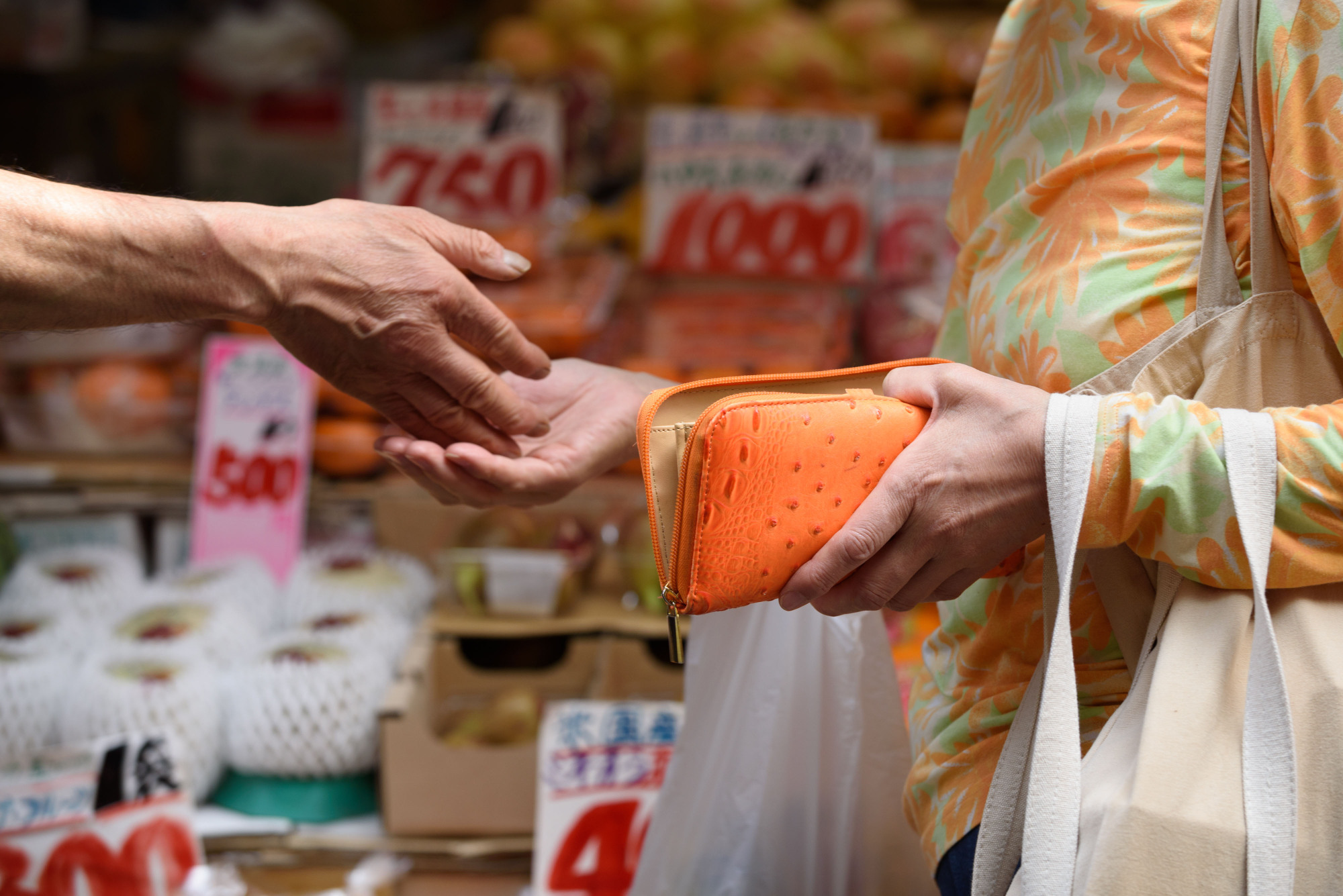
The Ministry of Internal Affairs and Communications just released economic figures for the last quarter of calendar year 2009. Their survey found that the average expenditures of a Japanese household, including one-person households, was ¥253,720. That’s a 2.9 percent decrease from the same quarter in 2008, or 1.4 percent down if you take into consideration price changes.

This figure means little unless you know the  income of an average family, which has 2.79 members and an average age of 45.2 years. Among “working households,” meaning households whose income is from employment and not from pensions, the average monthly income was ¥464, 649, which represented a 4.6 percent drop from the same quarter the previous year, or 3.1 percent after adjustment.

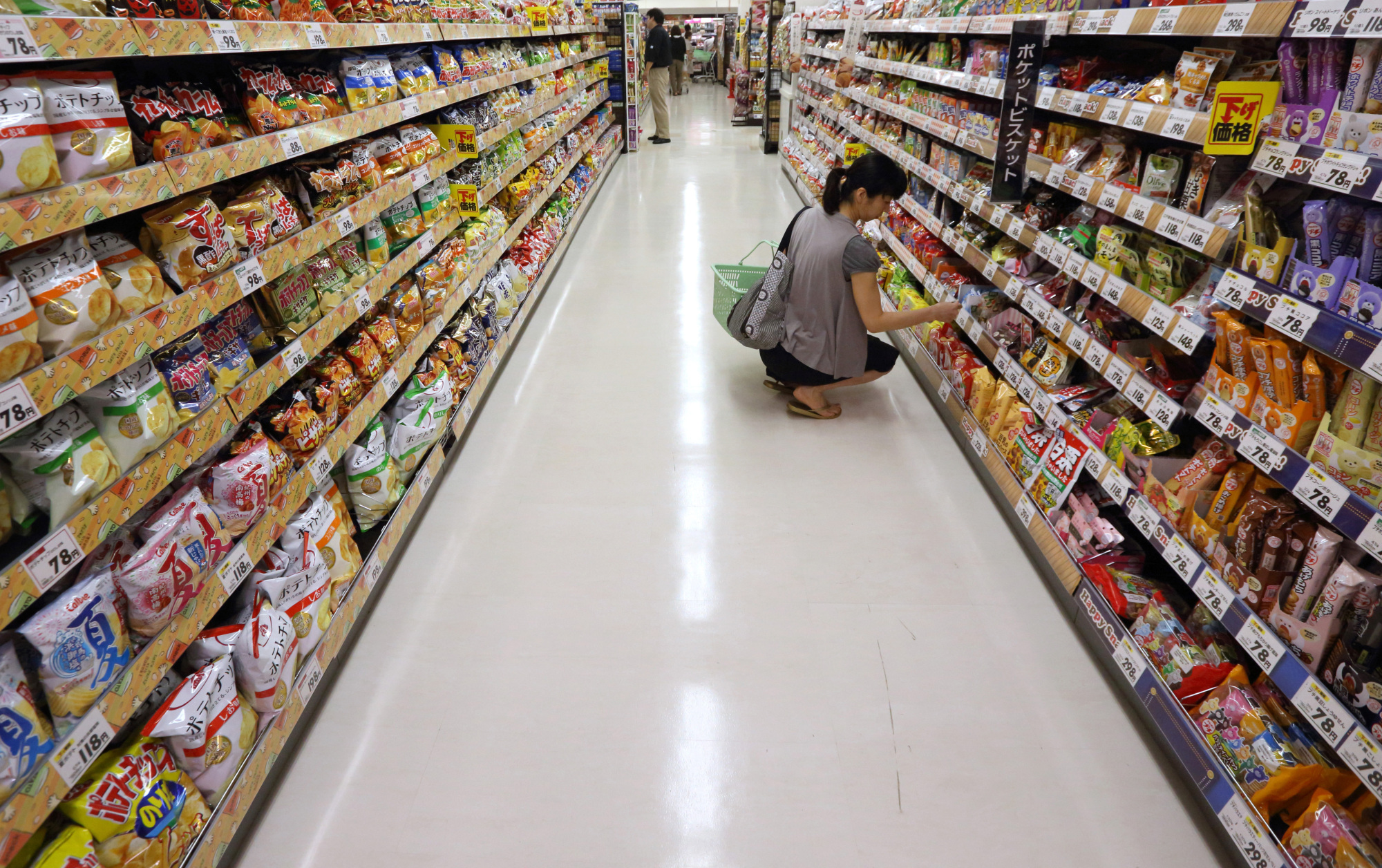
These statistics indicate that households spent less because of a decrease in earnings, and since certain expenses can’t be cut or reduced, such as utilities and expenses for education, the ministry tried to figure out what these households were doing without. Leisure, eating out and clothing were three items that received the axe, and since more people were eating at home, they also tried to save money at the supermarket.

And according to the Asahi Shimbun, the ministry found that households consisting of two persons or more reported a 10 percent increase in their consumption of moyashi (bean sprouts) over the same quarter in 2008. In fact, the ministry discovered that moyashi consumption has increased steadily over a period of 10 consecutive quarters.

The focus on the lowly bean sprout here would seem to indicate that the ministry has decided moyashi is a good index for determining the economic health of the average household. Moyashi are cheap and plentiful. A bag weighing 200 grams is usually between  ¥35 and ¥40 yen in a supermarket, but you can usually buy the same amount for ¥29 in discount food stores and even cheaper on special sales days. Japanese traditionally use moyashi to increase volume for any number of dishes, but there’s also a whole  food culture built around the sprout. Made from mung beans, they are also notoriously nutritious and always in season, since they aren’t “grown” in soil but rather sprouted in water. What’s interesting is that the government assumes people are buying more moyashi not because they like it or want a healthier diet, but because they want to save money. We won’t argue with that, but we also really like moyashi. Especially in ramen.

Tags: , , ,

Comments are closed.

RSS

Recent posts

Our Users Say

  • Jodi: Thank you for this article. I am recently back in Japan and was surprised how often I needed to re-charge my...
  • Jiro: Not my party, your party!
  • RJ: JR sagi-style profit…“place on the system more of a burden” LOL
  • Colin Doyle: Why is JR too proud or too obtuse to ask the other train companies how they were able to integrate their...
  • Simon: I had a similar experience when I caved in to societal and peer pressure ;-) and got an iPhone 4S last year....
Read more:
Japan still paying for war sins through international copyrights

If you're a copyright holder, you have a special reason to be happy if your work is sold in Japan.

Close