

Posts Tagged ‘national health insurance’

Local governments crack down on health insurance scofflaws

Sunday, September 11th, 2011

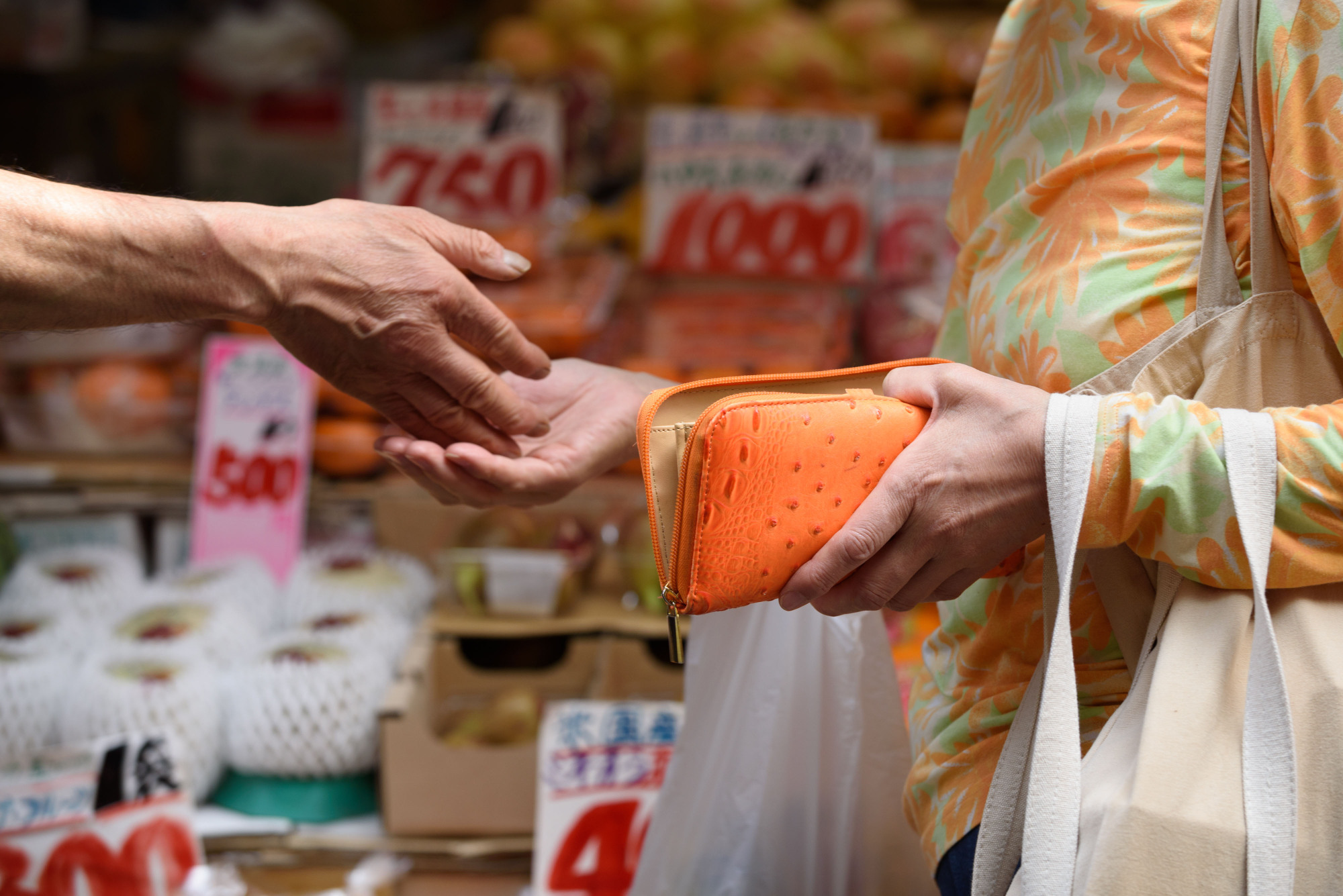
Enough to make you sick: monthly Kokuho payment schedule

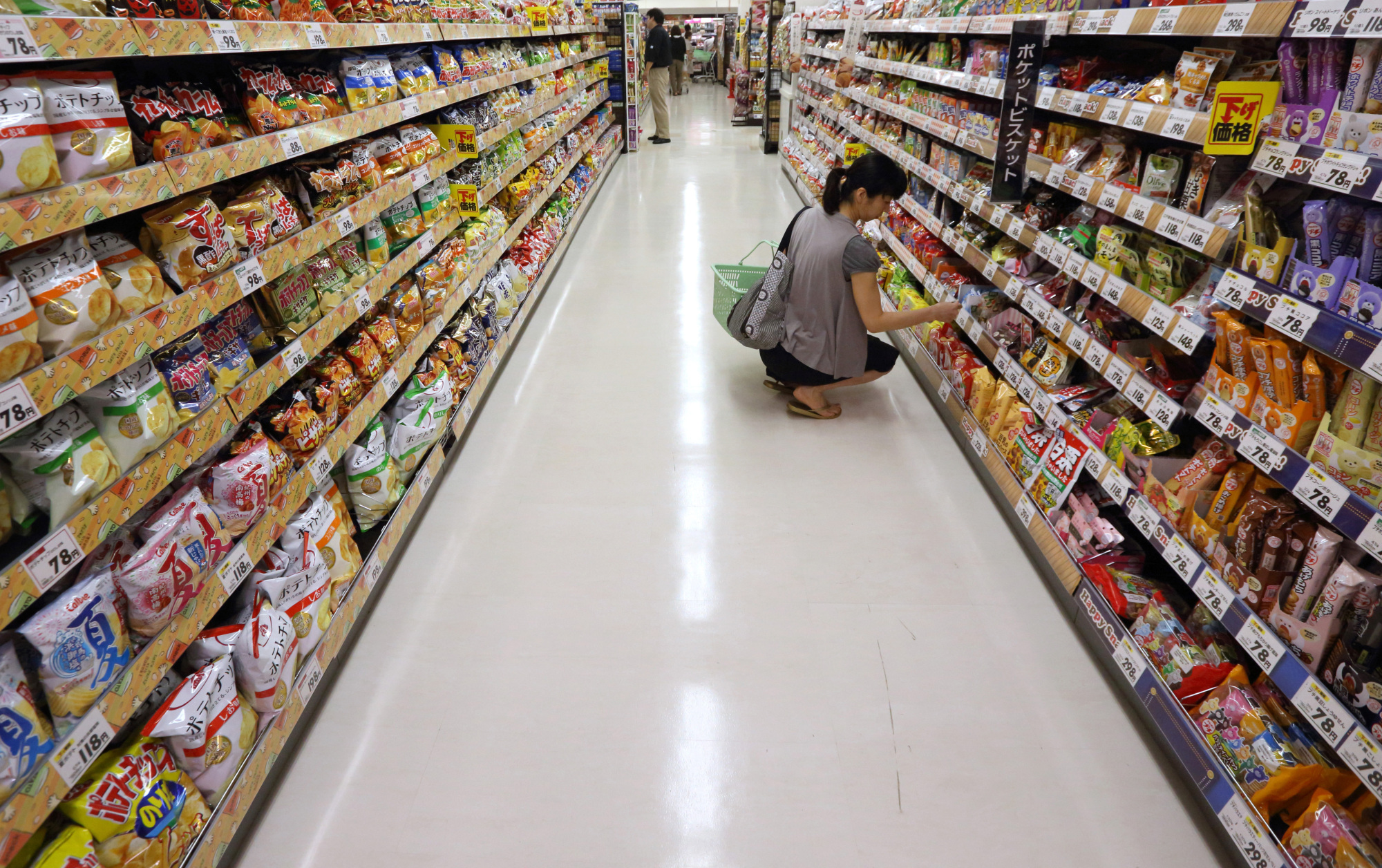
According to an article in the Aug. 29 Asahi Shimbun, the number of asset seizures initiated by local governments in an attempt to recoup delinquent national health insurance payments has increased startlingly in the past four years. Asahi asked the pertinent sections of all 23 wards in Tokyo, as well as those in 19 major cities about seizures. They received responses from 37 local governments in all, and the data indicates that between fiscal 2006 and fiscal 2010, the number of delinquent payments that led to actual seizures of assets increased by almost sixfold.

In this case, we’re talking about Kokumin Kenko Hoken, or National Health Insurance, which is paid by anyone who is not a member of the Shakai Kenko Hoken system, which is paid for by contributions from employers. Traditionally, National Health Insurance, known as Kokuho for short, was carried by people who are self-employed. And that’s still true. However, the ranks of Kokuho carriers has increased greatly over the past two decades as the employment situation has changed. With more people out of work and even more changing over from so-called lifetime employment to so-called non-regular employment, the number of people who are compelled to pay into the Kokuho system gets larger and larger. Kokuho is administered by local governments, and national insurance, whether paid for by the individual or by his/her employer, is mandatory in Japan. If the individual is too poor to pay the premiums, he or she should go to the local government office and tell an official. The only real way to get out of the system and still have insurance is to qualify for welfare. Other than that, in principle everyone has to pay. Some local governments have a system wherein someone who has not paid because of financial difficulties but needs medical care can pay the full amount of that care up front and receive at least partial reimbursement later, but those are exceptional cases.

Continue reading about health-insurance crackdowns →

The hidden economics of diabetes

Wednesday, June 29th, 2011

Last week the medical journal Lancet published the results of a study that found the number of diabetes patients rising rapidly throughout the world. Right now about 10 percent of the world’s population suffers from the disease, which is traditionally associated with countries that have higher standards of living, like the United States. However, Lancet reported that diabetes is reaching epidemic proportions in the developing world as well owing to obesity and inactivity. Since diabetes leads to all sorts of serious health problems, including kidney failure, heart attacks and blindness, the epidemic will add an insupportable burden to medical costs in the next century.

Pick-me-up: Patient delivery van outside of dialysis clinic in Chiba

Diabetes is on the increase in Japan, too, and is one of the reasons the national health insurance program is in trouble. A recent report on NHK’s “Closeup Gendai” showed how local governments are trying to reduce doctor visits among local residents. In Kure, Hiroshima Prefecture, officials have compiled a database of people who may be contributing to “wasteful medical costs.” To qualify for the database, a person has to have visited a clinic or hospital at least 15 times during the course of a single month. An official then talks to this person to learn the reason for the frequent visits.

NHK points out that these inquiries are delicate. The doctor-patient relationship is a private one, and the local government is careful not to come across as interfering with that relationship. Nevertheless, many older people, because they pay very little out-of-pocket for a doctor’s visit, go to the hospital often even if their medical complaints are very slight. Some have even confessed to going to the hospital for social reasons, to chat with friends or make new ones. In any case, the local government official often suggests other ways of dealing with health problems in order to cut costs, such as asking for generic drugs when filling prescriptions or recommending lifestyle changes that can prevent future illnesses.

Continue reading about diabetes in Japan →

More independent women taking out insurance

Saturday, January 15th, 2011

Every three years the Japan Institute for Life Insurance (Seimei Hoken Bunka Sentaa) conducts a survey to measure trends in the insurance market. Last year the institute quizzed more than 4,000 people and for the first time since the survey started in 1987 the percentage of women who say they have taken out insurance policies exceeded the percentage of men who said they have. The margin may seem negligible — 81. 4 percent to 79.9 percent — but in 1987 the rate for men was 84.9 percent and that for women was 71.2 percent, so at the very least there’s been a sizable increase in the female insurance market.

Juri Ueno of NHK's "Go" gets jiggy for Orix supplemental health insurance

Insurance in this case is the personal kind, meaning life insurance, annunities and supplemental health insurance, all of which are related to long-term individual financial planning. The drop in insurance policy rates for men is attributable to several factors, concludes the institute, the main one being that men are marrying later (if at all) and thus putting off insurance purchases, in particular life insurance with death benefits. Certainly the main reason for the rise of insurance purchases among women is due to the increasing participation of women in the permanent workforce. Insurance companies have not neglected this trend and have duly developed products that target women, including supplemental health insurance covering illnesses that specifically affect women, such as breast cancer. Despite the fact that Japan’s national insurance program pays for cancer treatment and necessary hospital stays, women seem particularly interested in supplemental cancer insurance, not so much because they can upgrade to a better hospital care (which is the more traditional reason for buying it) but because such extra money, usually from ¥5,000 to ¥10,000 a day, helps alleviate the loss of income that often accompanies such treatment.

The institute doesn’t analyze their results to this extent, but it seems obvious that the women taking out these policies are single and thus financially dependent on no one but themselves. For instance, few seem to be actually taking out life insurance with death benefits. But as with suppliemental health insurance, one kind of policy that is quickly gaining popularity among this demographic is wage insurance (kyuryo hoken). Such insurance gives policy holders guaranteed income for limited periods of time when they cannot work due to illness or accident or reasons of an unforeseeable nature.

Hitachi Capital offers a policy that provides ¥100,000 a month for up to five years (and whose promos feature a salarywoman not a salaryman), while American Home Direct pays ¥120,000 a month for up to a year. The insurance provider AXA has a policy that combines cancer insurance with income insurance (shunyu hoken) and aims it squarely at women, as illustrated by the company’s TV commercial, which shows the famous model An (daughter of actor Ken Watanabe) playing an office worker facing her supervisor and forcefully telling him that she’s taking time off to fight her cancer. On its website AXA claims that two-thirds of working women who have cancer report that their income dropped after they were diagnosed, and elsewhere in the media a commonly cited, though somewhat misleading, statistic says that half of all Japanese will be diagnosed with cancer sometime in their lives.

Because Japanese people don’t trust the government and aren’t assured by public welfare policies, they comprise one of the most lucrative life insurance markets in the world. And since women have traditionally been marginalized in terms of employment, they may feel more of a need to assure for themselves a future that isn’t assured at all.

Price of mercy can be dear when it comes to transplants

Friday, November 5th, 2010

Home page of the Japan Assoc. for Kidney Disease Patients

Website of the Japan Association for Kidney Disease Patients

One of the lesser discussed principles of Japan’s national health insurance policy is that it only pays for treatment. That sounds like a pretty broad mandate, but what most people don’t realize is that “treatment” presupposes a condition that needs to be remedied. In other words, you have to be sick. If you’re not, insurance won’t cover it. That’s why pregnancy testing and periodic checkups are not covered by insurance, though many local governments provide free cancer screenings and other preventive measures to residents of a certain age.

This principle receives a thorough test in the realm of organ transplants. Last week, the Tokyo Shimbun ran a letter from a 65-year-old woman who said that she wanted to donate one of her kidneys to her brother, who had to receive dialysis treatment at least once a week. Living organ donors have to undergo a series of tests to make sure that the organ they are donating is compatible, and the woman spent one week in an Aichi Prefecture hospital where her kidneys, as well as her overall health situation, was thoroughly scrutinized. Afterward, doctors determined that her kidney was “not functional enough” for transplantation into her brother.

Continue reading about health insurance and organ donors →

What’s the real cost of quitting?

Friday, October 29th, 2010

Discontinued Pfizer ad: Hiroshi Kan is quitting, too

Pfizer poster: Tachi Hiroshi is quitting, too

Recently, the Health Labor and Welfare Ministry released the results of 15 years of research into the amount of money a person spends on health care during an entire lifetime. The research began in 1994, based on records of 52,000 male and female residents of Miyagi Prefecture aged between 40 and 79.

According to the research, a 40 year-old-man today with normal blood pressure could expect to live another 46.5 years and spent a total of ¥13.34 million for health care, which, if he has kokumin hoken (meaning individual national insurance rather than national insurance through an employer), means he would spend about ¥4 million out of pocket, given that patients have to cover 30 percent of a medical bill themselves. A man with high blood pressure can expect to live 44.8 years more and spend ¥17.1 million. The ministry makes no projections for women because the results were “too diverse.”

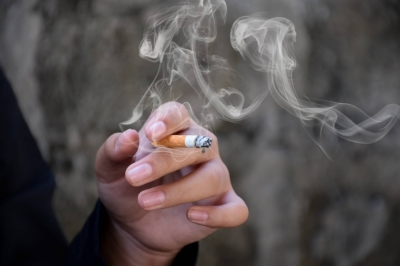
In terms of other lifestyle determinants, a person who walks more than one hour a day will live 1.5 years longer and spend ¥350,000 less than someone who walks less than one hour a day (on average). However, the most interesting estimate is that someone who smokes will live 3.7 fewer years than someone who doesn’t and will thus spend less during his lifetime on medical care than someone who doesn’t smoke, though the ministry doesn’t specify by how much. The rule of thumb is that elderly people spend exponentially more on health care than do younger people, so if smokers die before they get old, the government saves considerably.

Continue reading about the tobacco tax →

No need to feel sorry for the Incubator babies

Friday, September 24th, 2010

That's all, folks!

That’s all, folks!

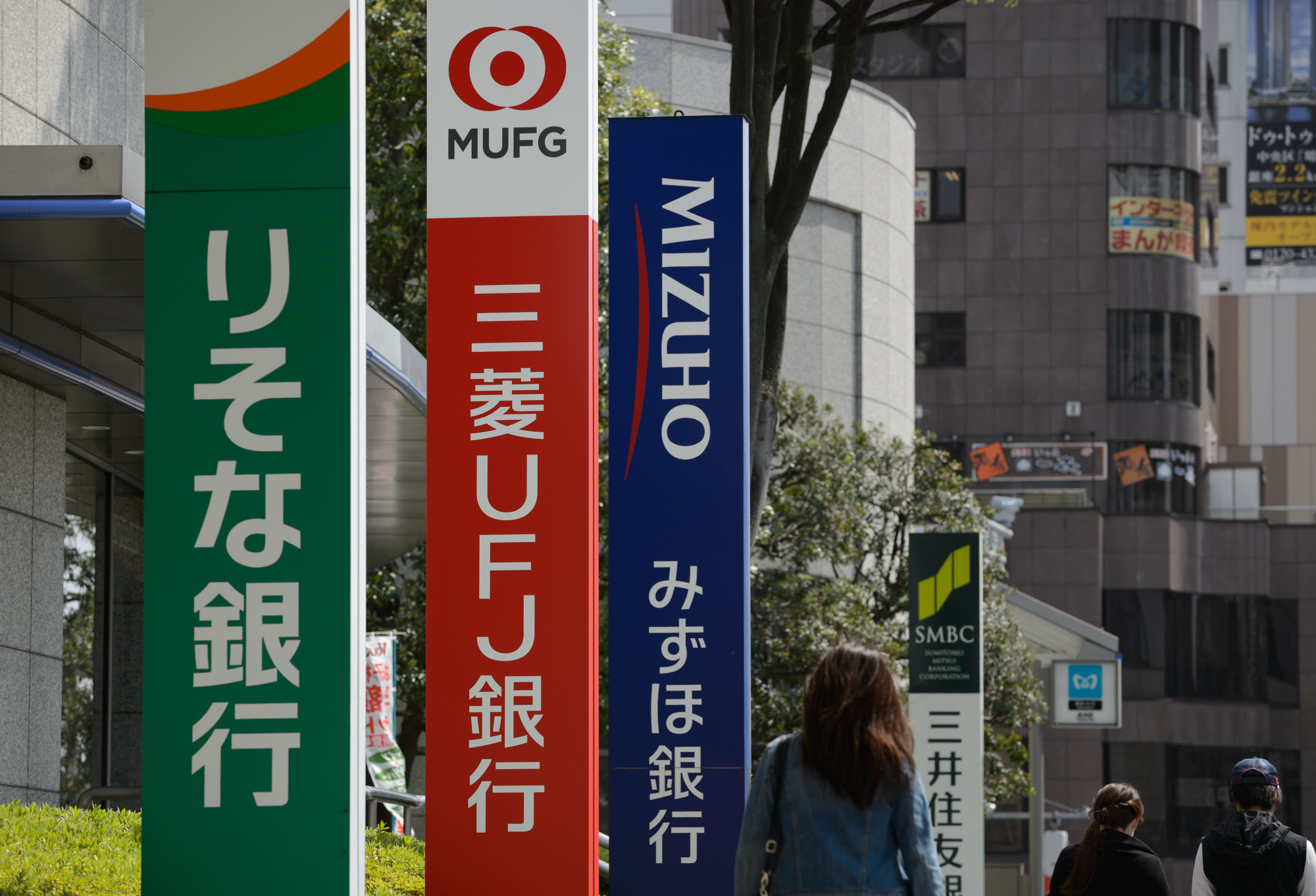
When Nihon Shinko Ginko filed for bankruptcy on Sept. 10 the media reacted predictably with alarm. Any bank that fails is bound to send shivers through the population, even those who don’t have accounts with the institution in question. Incubator Bank of Japan, as it’s called in English, had debts that exceeded its assets by more than ¥180 billion, incurred through making loans to small businesses. Exactly 126,779 people had time deposits in the bank.

What makes the story especially notable is that this is the first instance of a bank failure in which the government will limit “payoffs” (deposit guarantees) to ¥10 million per account (plus interest earned) since the deposit guarantee program was begun in 1971. Between 1996 and 2005, the cap was suspended to prevent runs on banks that were hard hit by the post-bubble recession. The cap was reinstated as part of the financial reforms undertaken by former prime minister Junichiro Koizumi (Incubator, in fact, was started in 2004 by Takeshi Kimura, a pal of Koizumi’s financial services minister, Heizo Takenaka). For Incubator customers with more than ¥10 million in their accounts, there is no guarantee they will get it all back.

As it turns out, only 3,423 of Incubator’s depositors had more than that amount, and their total at-risk deposits — meaning the money in excess of the ¥10 million limit — only came to ¥11 billion of the total ¥582 billion in time deposits. The reason for this low amount is simple: Incubator took advantage of the payoff system by telling potential customers that there was no risk if they deposited less than ¥10 million, and then offered much higher interest on time deposits than any other bank, a cool 1.9 percent for five-year accounts. Consequently, they got lots of customers. They could offer this high rate because they do not offer regular savings accounts, which require lots of resources and personnel to maintain.

And the rest of the banks, or, more precisely, those banks’ depositors, provided the refunds to the Incubator depositors. Every bank has to pay the Deposit Insurance Corp. of Japan 0.084 percent of its total deposits as insurance premiums. And if that amount isn’t enough to do the job when the occasion arises, the government will step in with tax money.

But it sounds as if they aren’t going to need all that money anyway. On the first day refunds were made available, only ¥5 billion was removed, equivalent to 0.9 percent of the relevant deposits. One week later, the total amount so far taken out was only ¥29 billion. Apparently, most of the depositors who showed up to claim their money changed their mind once things were explained to them. While the DIC sorted out the bank’s affairs, time deposits would continue to accrue their 1.9 percent annual interest for up to eight months, at which point it is projected that a “reconstruction sponsor,” or replacement bank, will step in to take over these accounts. Then, most likely, the interest rates will drop to whatever that bank offers. But in any case, there’s no danger of losing money or interest, so depositors might as well keep their money there. In a sense, it’s important that they do, since the more money that’s taken out of Incubator, the more difficult it will be to find a replacement bank. If you do take your money out and the account has not reached its five-year maturity, your interest rate will drop to a fraction of the original 1.9 percent rate.

If the Incubator bankruptcy isn’t as dire as it was reported to be, it does, however, provide a modest illustration to average people of what “high risk-high return” means, and thus may have an even more flattening effect on investments. The amount of household assets that are now in cash and savings is ¥806 trillion, the highest it’s been since 1997. Japanese people are already afraid wary of stocks, mutual funds and other investment instruments, and the Incubator story isn’t going to make them any more willing to try something new. The people who put their money into Incubator are considered, relative to the average Japanese consumer, risky investors, which is why it is so easy to talk them into keeping their money there even as the media continues to report on its insolvency. The vast majority of Japanese put their money in the bank, even if it just sits there doing nothing.

Before Obamacare: Japan’s national healthcare system saves some for private insurers

Saturday, March 27th, 2010

It ain't perfect, but it may be all you need

It ain't perfect, but it may be all you need

People who live in Japan and are following the health care reform issue in the U.S. may be drawing some parallels. Part of the problem that some people have with President Barack Obama’s history-making legislation is that it falls way short of what is usually referred to as universal coverage. In other countries that do have universal health care, like the U.K., France and Canada, the government pays for medical care. Under Obama’s new plan, the majority of Americans will still have to buy their medical insurance from private companies.

Japan’s system (kokumin kenko hoken) is somewhere in the middle. It’s national in that the government has a health insurance program that pays for almost everything, but it isn’t universal. In Japan you still have to “buy” your insurance, it’s just that you have to buy it from the government. The difference is important, because in countries that have universal coverage everyone is covered regardless of their circumstances. In Japan, you are covered as long as you pay the government. Once you stop for whatever reason, you lose your insurance. That means you could pay your premiums (which are based on income, basically making it a separate tax) to the government on time for forty years and never even use it, and then, suddenly, because you lost your job or otherwise can’t pay, you lose your insurance overnight.

But the real proof that Japan’s public insurance program isn’t universal is that private medical insurance is widely available, and quite popular. The AFLAC duck is more famous here that it is in its native USA. In fact, companies like AFLAC and Alico make as much as 75 percent of their profits in Japan, the third biggest insurance market in the world, and while much of those sales are in life insurance, a good deal is in supplementary medical insurance.

Continue reading about health care in Japan →

RSS

Recent posts

Our Users Say

  • Jodi: Thank you for this article. I am recently back in Japan and was surprised how often I needed to re-charge my...
  • Jiro: Not my party, your party!
  • RJ: JR sagi-style profit…“place on the system more of a burden” LOL
  • Colin Doyle: Why is JR too proud or too obtuse to ask the other train companies how they were able to integrate their...
  • Simon: I had a similar experience when I caved in to societal and peer pressure ;-) and got an iPhone 4S last year....