
Posts Tagged ‘education spending’

Proposed inheritance tax exemption isn’t really about inheritance taxes

Thursday, February 21st, 2013

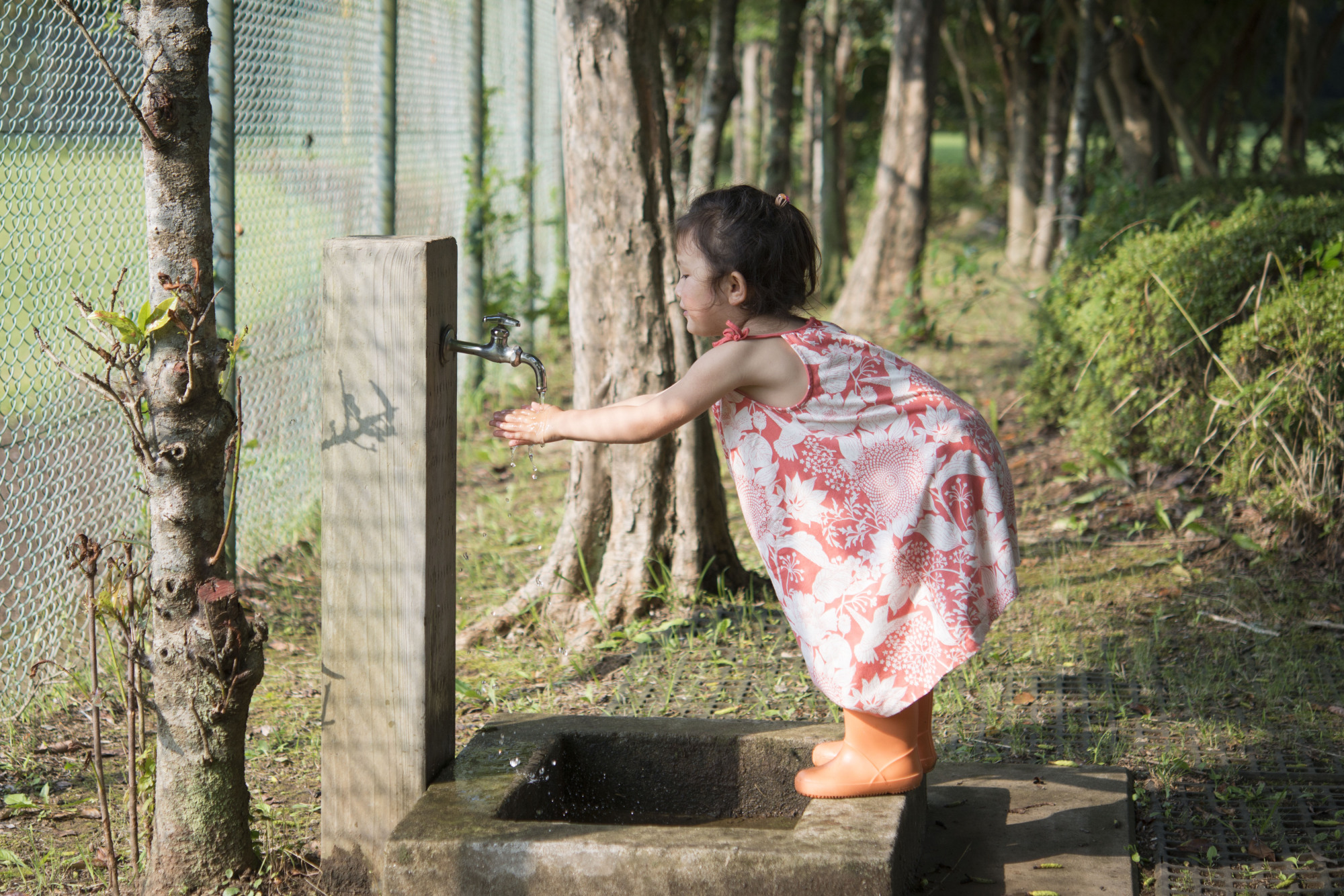
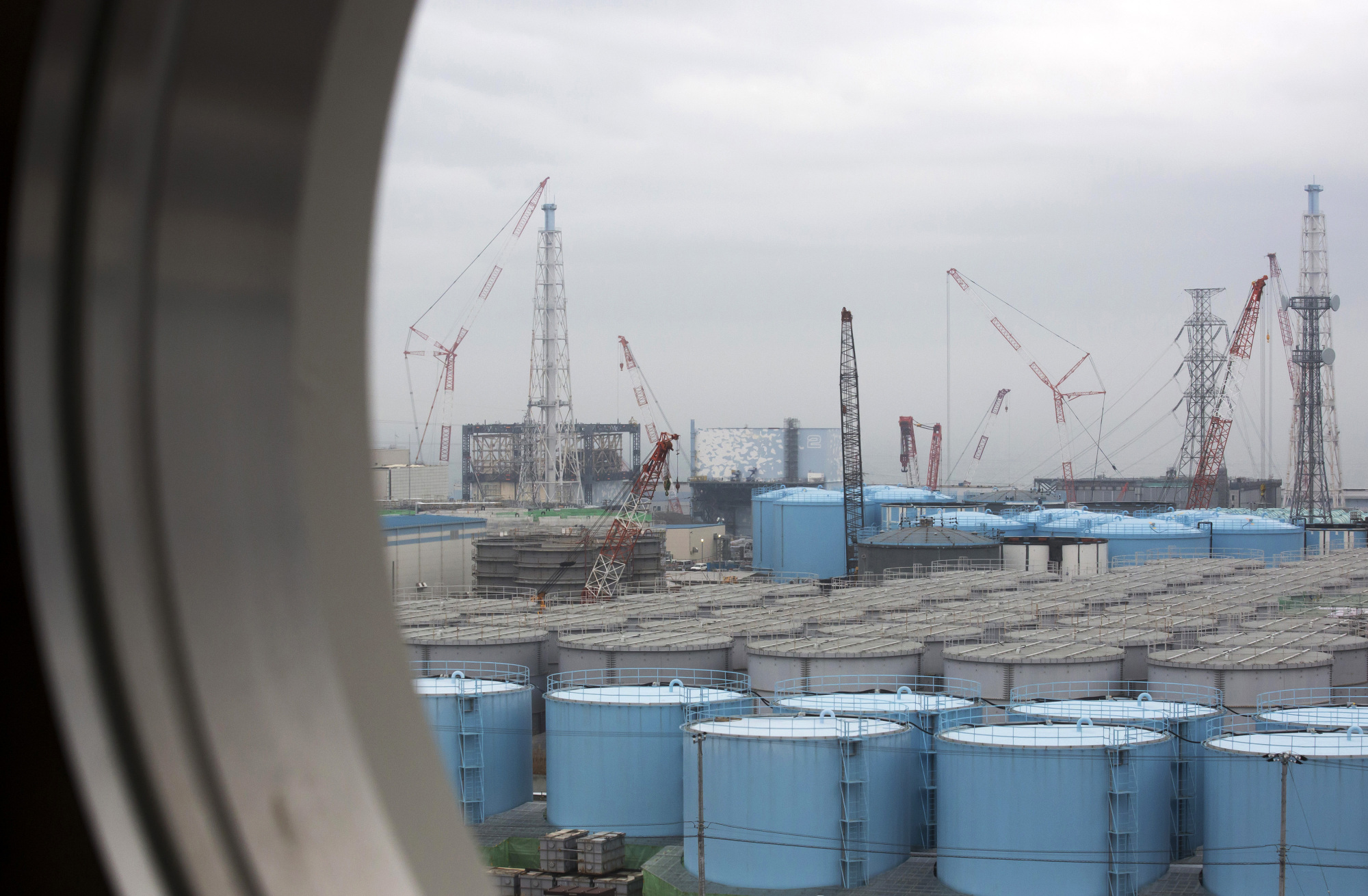
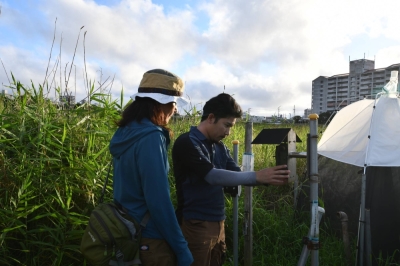
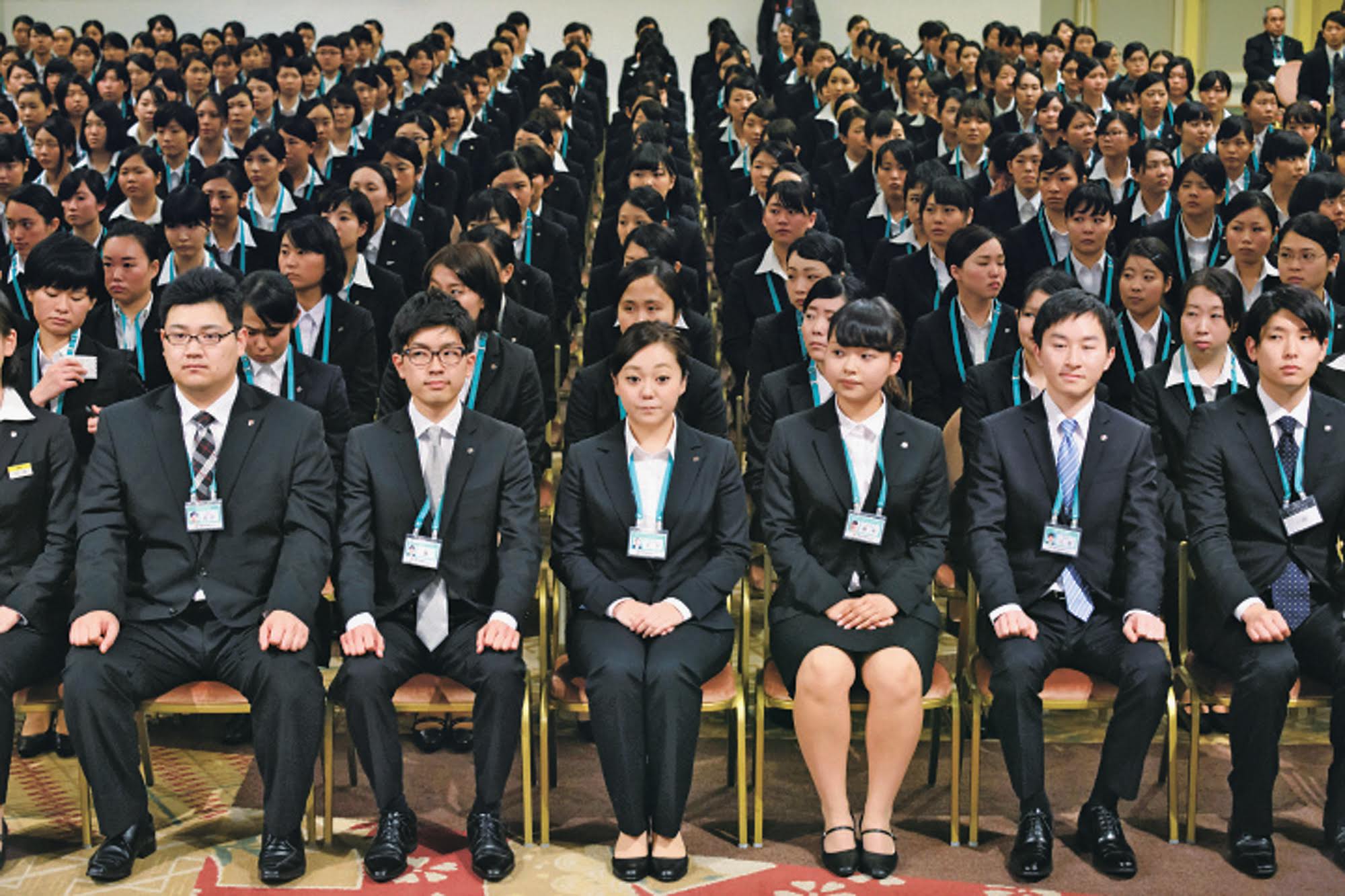
Indirect beneficiary: High school in Gunma Prefecture

Indirect beneficiary: High school in Gunma Prefecture

The whole point of a consumption tax is that everyone, rich and poor alike, bears it equally according to ability, though in truth the poor bear more since a greater portion of their spending is for necessities. The government understands this even if it isn’t admitting as much. News reports are saying that the ruling coalition of the Liberal Democratic Party and the Komeito have decided to discuss whether or not certain items, such as food, will be subject to either smaller or no increases in the consumption tax by the time it is set to be raised to 10 percent in 2015, though they aren’t guaranteeing any exceptions. In any case, the initial increase to 8 percent that takes effect next year will proceed without any exceptions.

Nevertheless, the LDP thinks it has to throw taxpayers a bone of some sort, which is one of the explanations being given for the inheritance tax exemption that goes into effect in April for three years. It’s generally believed that Japan’s tax on legacies is punishingly high, though in fact only 4 percent of heirs ever pay it. If it seems high it’s probably because people who live in Tokyo, where the media is concentrated, tend to pay the lion’s share of inheritance taxes owing to much higher property values, but even in the capital only 9 percent of heirs ever pay inheritance tax.

However, families of means or those with property are worried since the government has announced that its goal is to raise the national portion of inheritance tax payers to 6 percent. In addition, the income tax burden for the highest tax bracket may be increased from 40 to 45 percent. Older people with money are said to be rushing to public lectures by investment experts to find out how they can pass on more of their assets to their children and grandchildren.

So the government came up with this exemption, which is exclusively used for education. Grandparents can give up to ¥15 million to each grandchild to pay for education-related expenses without the recipient having to pay a gift tax. In order to claim the exemption, the grandparent must deposit the money in an account that has been opened expressly for this purpose in a trust bank. The grandchild or parent/guardian can then withdraw the funds whenever they are needed for educational purposes, but in order to do so they must submit a receipt before withdrawal showing how the money is being used.

Continue reading about inheritance tax exemption →

Money for education ends up in the toilet

Thursday, October 4th, 2012

Every elementary school student’s dream

Last month the Organization for Economic Cooperation and Development released statistics from 2009 related to the cost of education in 31 developed countries. For the third year in a row, Japan was the lowest in terms of portion of GDP spent on education and schools: 3.6 percent, which, while being 0.3 percentage points higher than in 2008, is still much less than the average, 5.4 percent. (Denmark, for the record, spends the most: 7.5 percent.) Not surprisingly, Japanese families spend more for college than anyone else in the world, and in terms of how much of the money spent on education was from private individuals, Japan ranked third at 31.9 percent (after Chile and South Korea). The world average is 16 percent.

In addition, the Ministry of Internal Affairs reports that in 2010, the year the ruling Democratic Party of Japan did away with tuition for public high schools, the average family with a full-time salaried head of household still spent 5.7 percent more for education than it did the year before. In the same class of households that had high school or college students, the increase was 9 percent.

On average, a household spent ¥1.91 million a year on education, down ¥700,000 from the previous year probably owing to the tuition break. That’s about 37.7 percent of the average family’s yearly income, and the poorer the family, the greater the burden: for families that earn ¥2 to ¥4 million a year, the portion spent on school is 57.5 percent. And if you wonder where all this money goes, don’t blame teachers, whose average salary over the past ten years has decreased by 9 percent.

It also doesn’t seem to be going to school infrastructure. The education ministry says that 60 percent of all public elementary and junior high schools in Japan are at least 30 years old and have never been renovated. In major cities such as Tokyo and Osaka, the portion is 70 percent. The part of the physical plant that tends to show its age the most are the restrooms. In fact, Japanese public school lavatories are infamous, as evidenced by all the J-horror movies that take place in them. Invariably they are described with “the 3 Ks” — kusai (smelly), kitanai (dirty), kurai (dark).

Continue reading about public school lavatories →

RSS

Recent posts

Our Users Say

  • Jodi: Thank you for this article. I am recently back in Japan and was surprised how often I needed to re-charge my...
  • Jiro: Not my party, your party!
  • RJ: JR sagi-style profit…“place on the system more of a burden” LOL
  • Colin Doyle: Why is JR too proud or too obtuse to ask the other train companies how they were able to integrate their...
  • Simon: I had a similar experience when I caved in to societal and peer pressure ;-) and got an iPhone 4S last year....