
Deflation at the vending machine

November 23rd, 2009 by Philip

A Wex vending machine in a parking lot near Kabuki-za

A Wex vending machine in a parking lot near Kabuki-za

The “one-coin theory” is a hallowed principle of retailing in Japan, the idea being that if your product can be purchased with one coin, people are more willing to buy it. This principle was formulated through Japan’s extensive vending machine business, in particular vending machines that sold beverages. Until the mid-90s, 100-yen was the upper limit for all canned beverages sold in vending machines since it was considered a kind of psychological barrier. Most vending machines are owned by beverage makers, and no one wanted to be the guy who increased their prices first, even though material costs had been rising for years. If one was going to do it, they all should, and eventually they did. After a short period of sluggish sales, profitability eventually returned and there have been regular rises in prices ever since. The standard VM price is ¥120 for canned drinks and ¥130-¥150 for drinks in larger PET bottles.

But in the past few years, there’s been a marked reversal. Independent vending machine operators have bucked the big manufacturers like Kirin, Suntory, Asahi, Pokka and Dydo by selling their products below the retail prices these manufacturers dictate. The trend has seen prices not only drop back to the one-coin level, but even further. Wex, a VM operator out of Osaka, sells Suntory, Pokka and Kirin products for ¥100, as well as its own private brand of canned coffee called Two Down for only ¥80, all in their own vending machines, and the big manufacturers are seriously ticked off.

Wex machines are practically ubiquitous in the Ginza and Kamiyacho areas. They’re the ones with the little cartoon blue collar worker holding a sledge hammer above the phrase, “We’ve hammered down prices.” You tend to find Wex vending machines in parking lots. According to a recent article in the Asahi Shimbun, Wex contracts directly with property owners and pays them not only rent on the space they use, but a portion of sales, usually about 10 percent. Traditionally, vending machine operators use machines owned by beverage manufacturers for free and sell beverages made by those companies in the machines at prices “suggested” by the manufacturer. Wex used to sell products in maker VMs and wanted to reduce the prices, but the makers were always complaining and making threats, so Wex bought their own machines.

Wex first experimented with cheaper beverages in 2000 in Osaka and found that sales in ¥100 VMs were three times what they were in regular VMs, so they entered into the cheap VM business fully. Wex does this by buying its wares cheaply from convenience stores that are clearing their inventories, or from wholesalers who have stock that is either old (but not “expired”) or whose packaging has been redesigned. The trick to attracting customers is to offer a wide variety in each VM, so Wex VMs sell a mix of major company products alongside their own Two Down brand. Wex now has more than 2,300 machines in the Kansai area and about 700 in Tokyo. Sales are between two and fives times what they are for manufacturers’ machines.

And Wex isn’t the cheapest. Another Osaka operator named Super Drink sells beverages in its VMs for as low as ¥50. Supposedly, they have 500 machines in the greater Tokyo area, but I can’t recall seeing any.

Manufacturers can’t help but notice and worry. If you see a Kirin Beverage VM placed near a “cheap” operator-owned VM, it may have a sticker pointing out that some of the products contained therein are cheaper “for a limited time.” Apparently, Kirin doesn’t want to permanently reduce its VM prices because, according to a Kirin publicity person interviewed by Asahi, once they do they don’t think they’ll be able to raise them again.

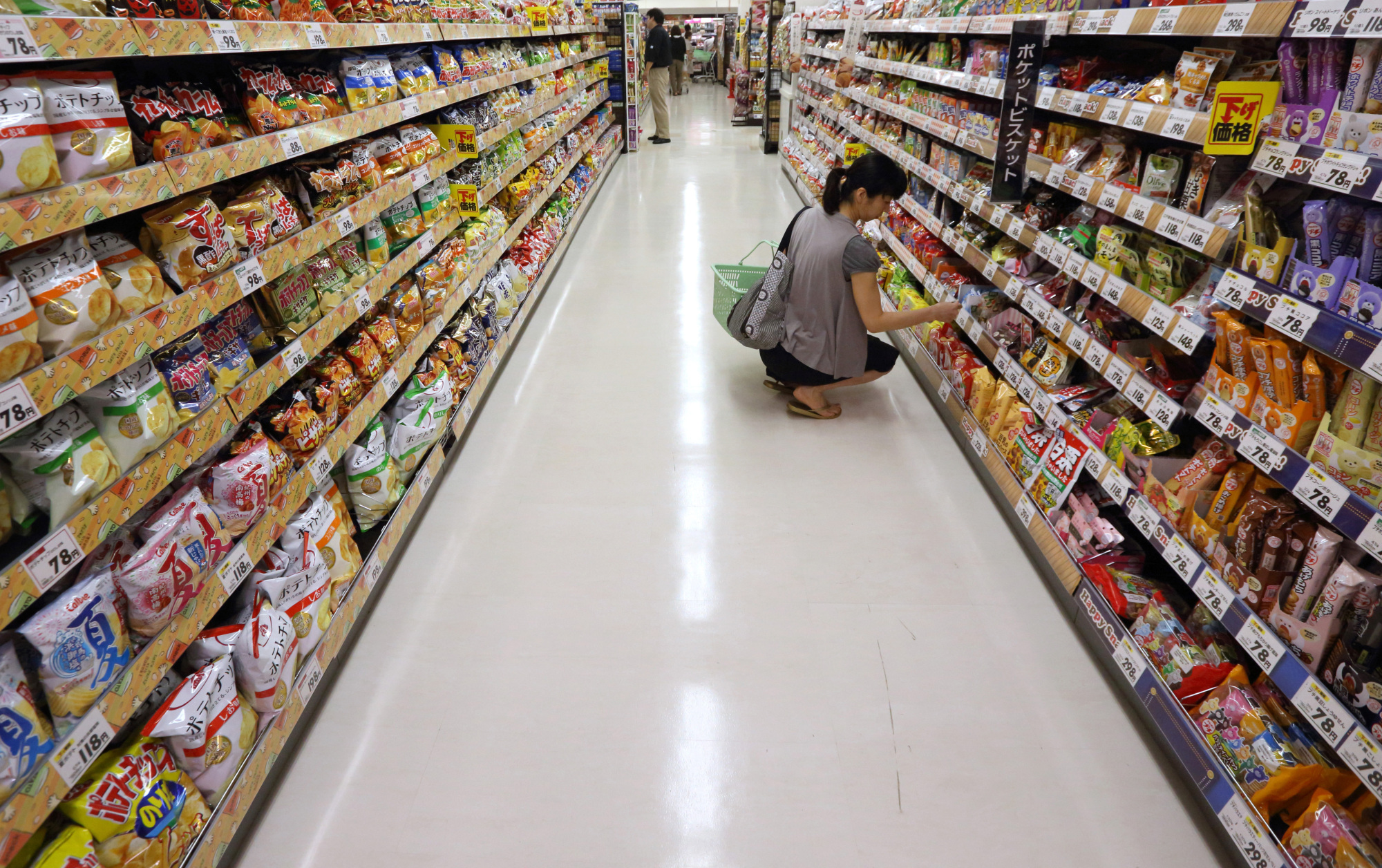
Everybody is talking about deflation now, and the VM beverage wars are basically an extension of cheaper beverage prices that started in supermarkets and discount stores. Vending machines used to be considered a safe haven for manufacturers in this war, but not any more.

Archive and share
  • Digg
  • del.icio.us
  • Facebook
  • Google Bookmarks
  • Fark
  • Reddit
  • StumbleUpon
  • Twitter
  • Ping.fm
  • Technorati
  • Yahoo! Buzz
  • LinkedIn

Tags:

One Response

  1. Hurrah for deflation. Obviously not a problem in Thailand where the prices are going up faster than you can purchase the item from the vendor.

Leave a Reply

Read our terms & conditions before posting a comment.

RSS

Recent posts

  • Annals of cheap: Kitchen Dive

    If the bento are the barometer of the national economy, then the ¥250 bento from Kitchen Dive will tell you that times are tight.

    Archive and share
    • Digg
    • del.icio.us
    • Facebook
    • Google Bookmarks
    • Fark
    • Reddit
    • StumbleUpon
    • Twitter
    • Ping.fm
    • Technorati
    • Yahoo! Buzz
    • LinkedIn
  • Debit cards are the way to go

    Credit cards are more widely accepted in Japan, but think about how easy things would be if you could use a debit card anywhere.

    Archive and share
    • Digg
    • del.icio.us
    • Facebook
    • Google Bookmarks
    • Fark
    • Reddit
    • StumbleUpon
    • Twitter
    • Ping.fm
    • Technorati
    • Yahoo! Buzz
    • LinkedIn
  • Assisted living: You can’t take it with you

    There gold’s in the silver sector and everyone wants a piece of the the kaigo hoken (nursing care insurance) system.

    Archive and share
    • Digg
    • del.icio.us
    • Facebook
    • Google Bookmarks
    • Fark
    • Reddit
    • StumbleUpon
    • Twitter
    • Ping.fm
    • Technorati
    • Yahoo! Buzz
    • LinkedIn
  • Checking out affordable resort condos in Chiba

    If you’re willing to look beyond the more well-known areas, a second home in Japan can come at quite a bargain.

    Archive and share
    • Digg
    • del.icio.us
    • Facebook
    • Google Bookmarks
    • Fark
    • Reddit
    • StumbleUpon
    • Twitter
    • Ping.fm
    • Technorati
    • Yahoo! Buzz
    • LinkedIn
  • Annals of cheap: Hanamaru

    Outside of Shikoku, sanuki udon is a premium dish at premium prices, but that’s simply not the case at udon chain Hanamaru.

    Archive and share
    • Digg
    • del.icio.us
    • Facebook
    • Google Bookmarks
    • Fark
    • Reddit
    • StumbleUpon
    • Twitter
    • Ping.fm
    • Technorati
    • Yahoo! Buzz
    • LinkedIn
  • Foreign currency saving: Norway or the highway

    Why save yen at zero interest in Japan when you could make your savings become a money-earner overseas?

    Archive and share
    • Digg
    • del.icio.us
    • Facebook
    • Google Bookmarks
    • Fark
    • Reddit
    • StumbleUpon
    • Twitter
    • Ping.fm
    • Technorati
    • Yahoo! Buzz
    • LinkedIn
  • You too can be Hatoyama!

    Why bequeath tomorrow when you can help out your kids today? To help the housing market out of the doldrums, the DPJ might even sweeten the exemption.

    Archive and share
    • Digg
    • del.icio.us
    • Facebook
    • Google Bookmarks
    • Fark
    • Reddit
    • StumbleUpon
    • Twitter
    • Ping.fm
    • Technorati
    • Yahoo! Buzz
    • LinkedIn