

Archive for the ‘Healthcare’ Category

Local governments crack down on health insurance scofflaws

Sunday, September 11th, 2011

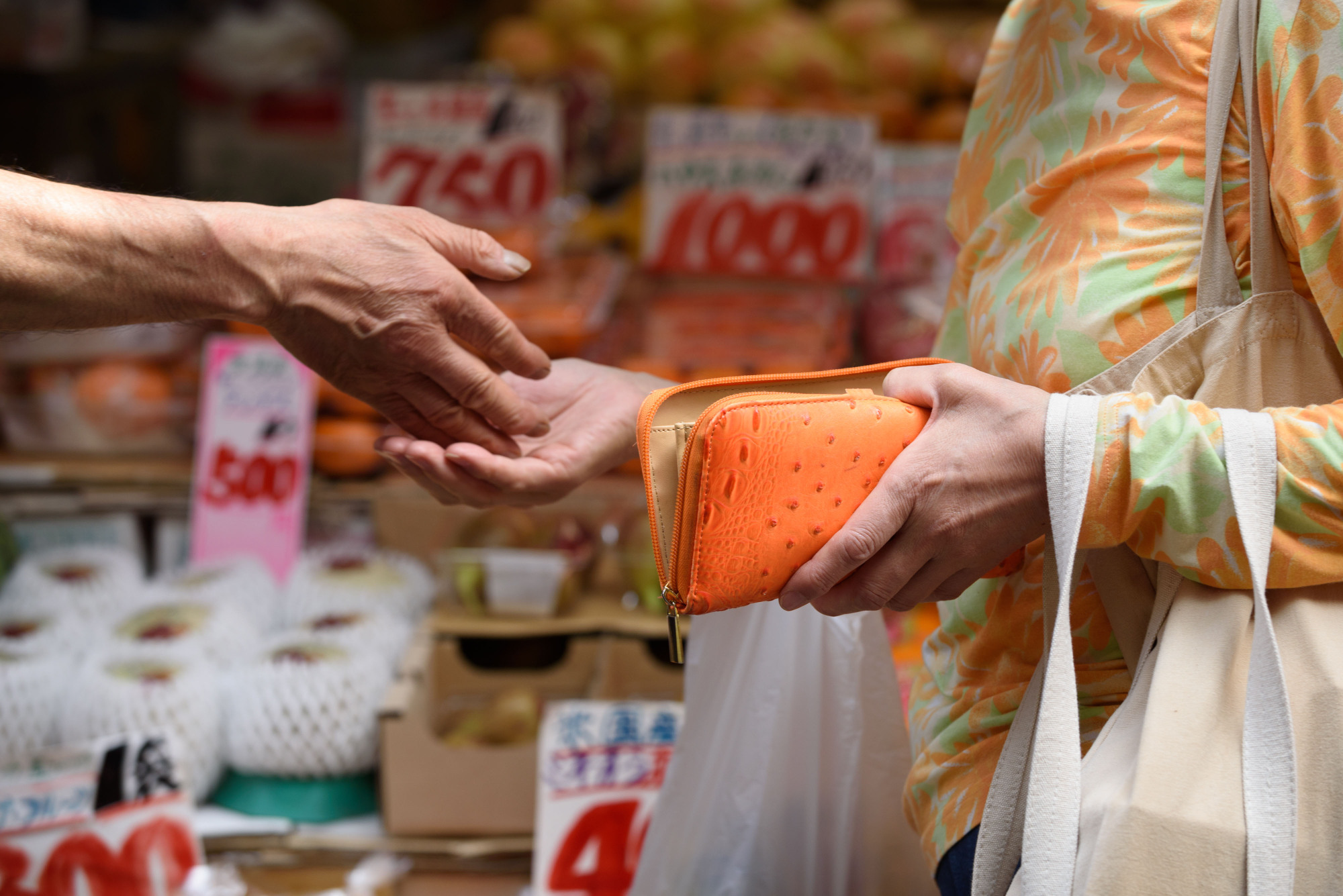
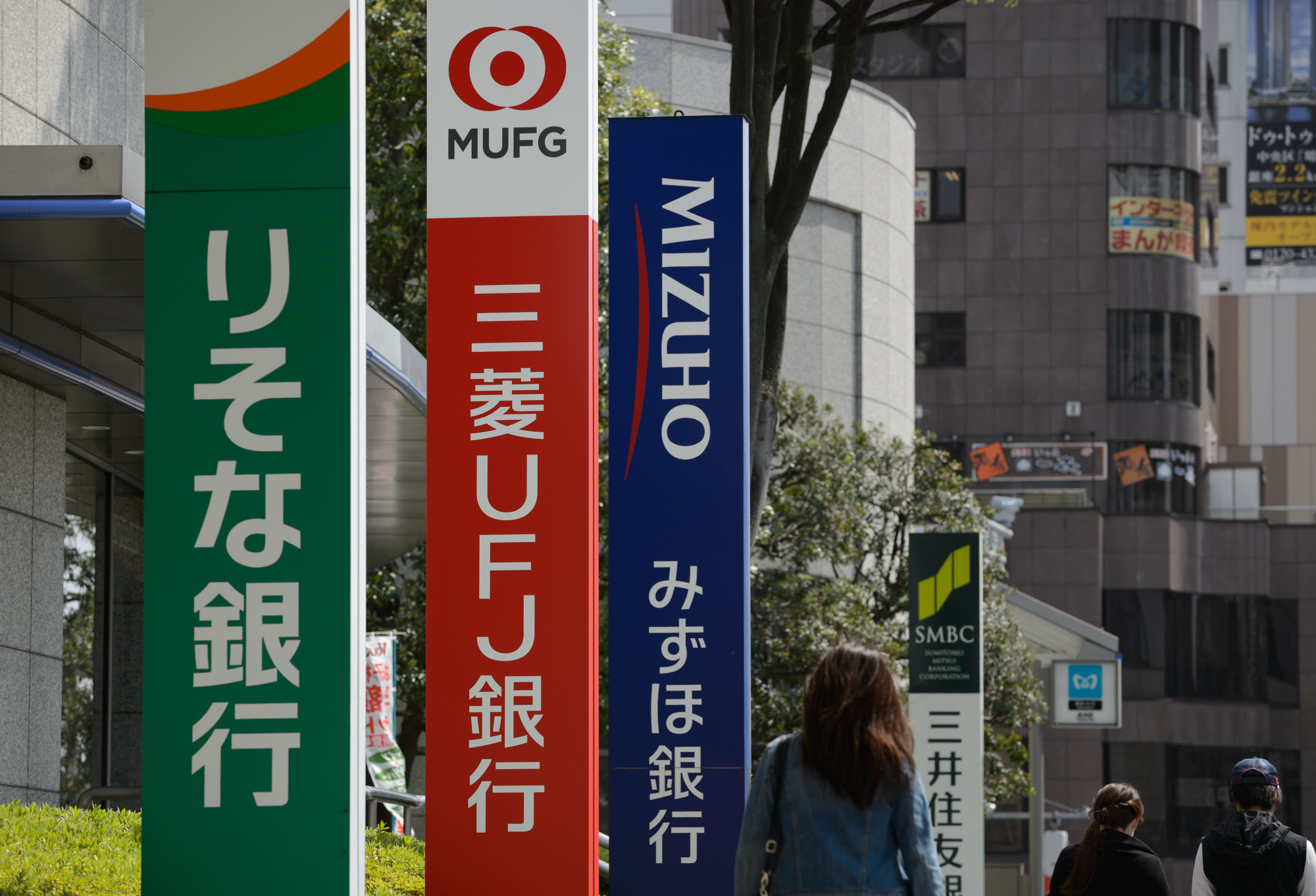
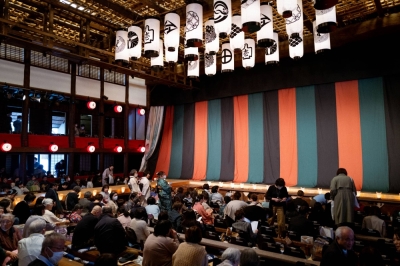
Enough to make you sick: monthly Kokuho payment schedule

According to an article in the Aug. 29 Asahi Shimbun, the number of asset seizures initiated by local governments in an attempt to recoup delinquent national health insurance payments has increased startlingly in the past four years. Asahi asked the pertinent sections of all 23 wards in Tokyo, as well as those in 19 major cities about seizures. They received responses from 37 local governments in all, and the data indicates that between fiscal 2006 and fiscal 2010, the number of delinquent payments that led to actual seizures of assets increased by almost sixfold.

In this case, we’re talking about Kokumin Kenko Hoken, or National Health Insurance, which is paid by anyone who is not a member of the Shakai Kenko Hoken system, which is paid for by contributions from employers. Traditionally, National Health Insurance, known as Kokuho for short, was carried by people who are self-employed. And that’s still true. However, the ranks of Kokuho carriers has increased greatly over the past two decades as the employment situation has changed. With more people out of work and even more changing over from so-called lifetime employment to so-called non-regular employment, the number of people who are compelled to pay into the Kokuho system gets larger and larger. Kokuho is administered by local governments, and national insurance, whether paid for by the individual or by his/her employer, is mandatory in Japan. If the individual is too poor to pay the premiums, he or she should go to the local government office and tell an official. The only real way to get out of the system and still have insurance is to qualify for welfare. Other than that, in principle everyone has to pay. Some local governments have a system wherein someone who has not paid because of financial difficulties but needs medical care can pay the full amount of that care up front and receive at least partial reimbursement later, but those are exceptional cases.

Continue reading about health-insurance crackdowns →

The imperfect science of delineating poverty

Wednesday, July 20th, 2011

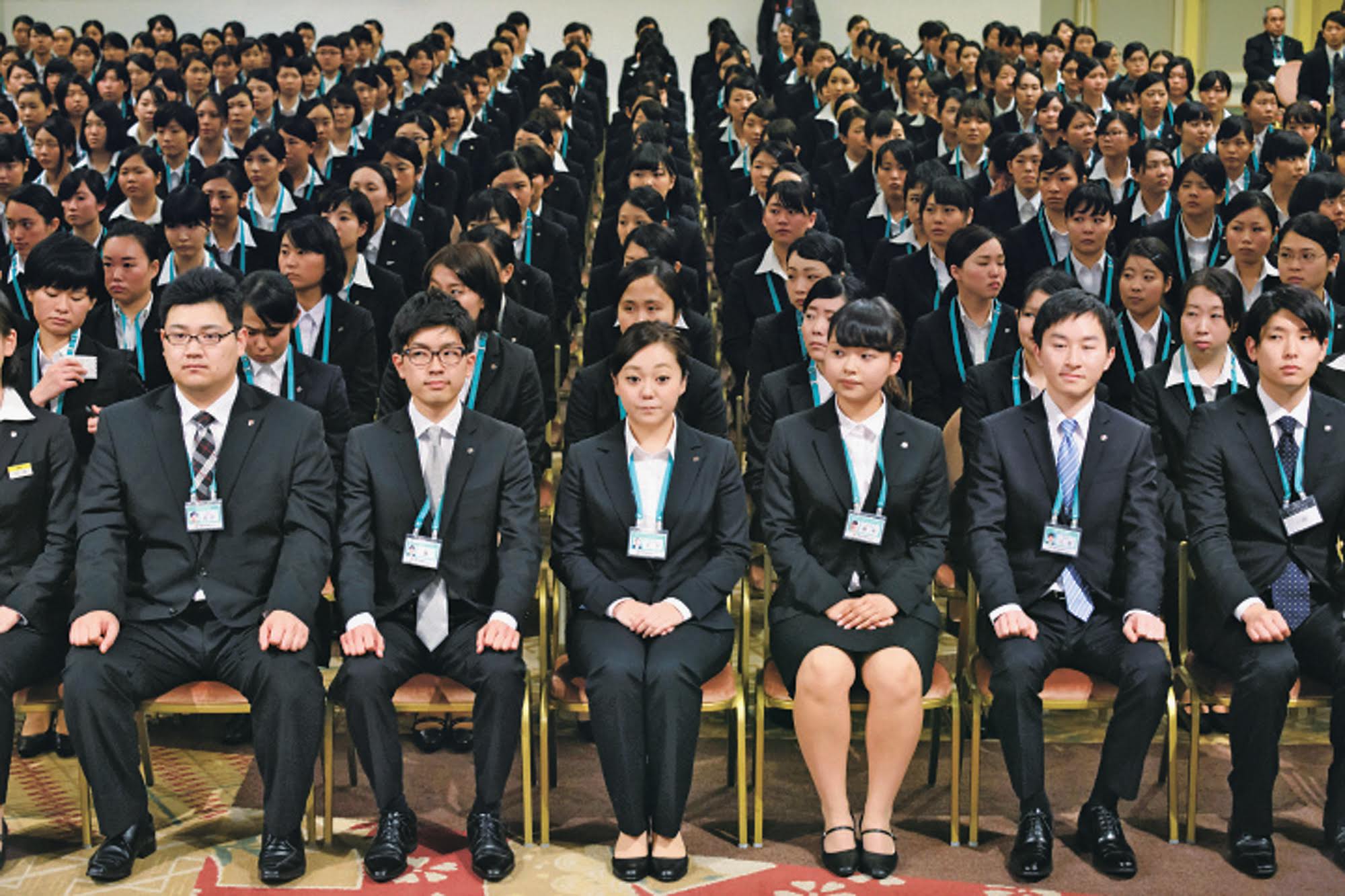
If you live here, it's got to mean something

You’re as poor as you feel, but economists demand a criterion that’s more exact. One way is the “relative poverty” index, which the Organisation for Economic Cooperation and Development (OECD) uses. The poverty line is set at about one-half a country’s median individual income. If your income falls below that line, you are considered poor.

The Ministry of Health Labor and Welfare recently released the relative poverty statistics for Japan as of last year, and found that 16 percent of Japan’s population falls below the poverty line, which is calculated as being about ¥1.12 million in annual income for one person. This is 0.3 percentage points higher than it was the last time the survey was taken, in 2007, and 4 percentage points higher than the figure found during the first survey in 1985. On the other hand, the average population portion living below the poverty line for all 30 countries in the OECD is 10.6 percent, which is 0.4 percentage points lower than three years ago. (The only other OECD country with a higher poverty rate than Japan’s is the U.S., at 17.1 percent.) For reference, the average household income in Japan is ¥5.49 million.

Continue reading about the "relative poverty" index →

Will the ‘morning-after pill’ make gynecologists obsolete?

Thursday, May 26th, 2011

In February, the health ministry approved the “emergency contraception” drug NorLevo, which was developed in France and is being distributed in Japan by the pharmaceutical company Sosei. It went on sale this week. Often called “the morning-after pill,” the drug was first marketed in 1999 and since then has been approved for sale in 50 countries. Sosei first applied for approval in 2001. The reason it took so long has something to do with Japan’s sclerotic drug testing system, but probably more to do with bureaucratic queasiness over the idea of women being able to prevent pregnancies unilaterally. After all, it took more than three decades to get the low-dosage birth control pill approved, and less than a year for Viagra to receive the go-ahead.

Preemptive: Condom vending machine

NorLevo should not be confused with the so-called abortion pill, RU486. Emergency contraception is supposed to be taken within 72 hours following intercourse to prevent conception, with a second pill taken 12 hours after the first one. The effectiveness is said to be more than 80 percent. It will be available by prescription (in some countries, like Canada, it can be bought over the counter), but users cannot use national health insurance to pay for it. The internet import price is anywhere between ¥2,500 and ¥6,600 for one dosage, meaning two pills. So far the domestic price hasn’t been made public, but it is probably in that range.

It’s expensive, but still much cheaper than an abortion, the vast majority of which are performed on married women. Young, unmarried women tend to have the baby and marry the father. The average cost of an abortion is around ¥100,000. The procedure is basically illegal in Japan but there’s a loophole that allows gynecologists to perform them on women who have “economic issues.” In 2009, about 220,000 were done, or one-fifth the number of live births that year. Because of the unavailability of the low-dosage birth control pill until recently and the paucity of sex education classes in public schools, abortion was for many years considered a form of birth control. So despite its high price, NorLevo could very likely cut the number of abortions significantly in the future, which is a good thing for women’s reproductive rights but not necessarily good news for the obstetrics-gynecology profession.

For a while now ob-gyns have had to contend with falling incomes due to the declining birthrate. Abortions became a larger part of their livelihoods. When abortion becomes less of an option for women, gynecologists will have less to do. Fewer medical students, thinking it not a lucrative field, will choose gynecology and obstetrics as a course of study.

In the past, emergency contraception in Japan was carried out with the mid-dose birth control pill, which was approved many years ago ostensibly to treat menstrual disorders though mostly they were used as de facto birth control pills. Taken right after intercourse, the mid-dose pill will prevent pregnancy, though its effectiveness is not as high as NorLevo’s and the side effects are more noticeable. The police also distributed the mid-dose pill to rape victims free of charge, though, obviously, that meant the victim had to come to the police and file a rape report. Such victims may have preferred going to a doctor, who would have kept the incident confidential. But then they’d have to pay for the full treatment.

Childless Japanese couples look for bargains in Asia

Tuesday, March 8th, 2011

In January, Diet member Seiko Noda gave birth to a baby boy after years of medical treatments to help her become pregnant. The baby was the product of a third-party ovum that was acquired in the United States, fertilized with her partner’s sperm and then implanted in her uterus. Though the media initially reported the delivery as being problem-free and both mother and child coming through with flying colors, since then other reports have revealed that the boy is still in the hospital with serious health problems. The egg donor is said to be a young woman, but Noda is 50 and the older the mother is the higher the probability that there will be complications during gestation.

Dr. Yahiro Netsu of the Suwa Maternity Clinic poses with Seiko Noda for the clinic's website

Noda could have reduced the chances of complications if she had opted to use a surrogate mother, but in that case the Japanese authorities would not have recognized the child as hers, which was a very important consideration for her. Nevertheless, surrogacy is becoming an increasingly popular alternative for Japanese couples who cannot conceive on their own and are not partial to adopting (which is almost all of them, since adoption of infants is, for reasons both cultural and legal, not as popular in Japan as it is in the West).

The problem is that there is no Japanese law regulating surrogacy, and the Japan Society of Obstetrics and Gynecology disapproves of the therapy in principle. At least one doctor has bucked the society, however, and offers therapy to women who can’t have children on their own, but reportedly the surrogate mothers he uses have to be related to the patients. The principal recourse for Japanese women who want to use this method is America, where it costs anywhere from $20,000 to $120,000 depending on what the surrogate mother requests for her nine months of service.

Continue reading about surrogacy in Japan →

More independent women taking out insurance

Saturday, January 15th, 2011

Every three years the Japan Institute for Life Insurance (Seimei Hoken Bunka Sentaa) conducts a survey to measure trends in the insurance market. Last year the institute quizzed more than 4,000 people and for the first time since the survey started in 1987 the percentage of women who say they have taken out insurance policies exceeded the percentage of men who said they have. The margin may seem negligible — 81. 4 percent to 79.9 percent — but in 1987 the rate for men was 84.9 percent and that for women was 71.2 percent, so at the very least there’s been a sizable increase in the female insurance market.

Juri Ueno of NHK's "Go" gets jiggy for Orix supplemental health insurance

Insurance in this case is the personal kind, meaning life insurance, annunities and supplemental health insurance, all of which are related to long-term individual financial planning. The drop in insurance policy rates for men is attributable to several factors, concludes the institute, the main one being that men are marrying later (if at all) and thus putting off insurance purchases, in particular life insurance with death benefits. Certainly the main reason for the rise of insurance purchases among women is due to the increasing participation of women in the permanent workforce. Insurance companies have not neglected this trend and have duly developed products that target women, including supplemental health insurance covering illnesses that specifically affect women, such as breast cancer. Despite the fact that Japan’s national insurance program pays for cancer treatment and necessary hospital stays, women seem particularly interested in supplemental cancer insurance, not so much because they can upgrade to a better hospital care (which is the more traditional reason for buying it) but because such extra money, usually from ¥5,000 to ¥10,000 a day, helps alleviate the loss of income that often accompanies such treatment.

The institute doesn’t analyze their results to this extent, but it seems obvious that the women taking out these policies are single and thus financially dependent on no one but themselves. For instance, few seem to be actually taking out life insurance with death benefits. But as with suppliemental health insurance, one kind of policy that is quickly gaining popularity among this demographic is wage insurance (kyuryo hoken). Such insurance gives policy holders guaranteed income for limited periods of time when they cannot work due to illness or accident or reasons of an unforeseeable nature.

Hitachi Capital offers a policy that provides ¥100,000 a month for up to five years (and whose promos feature a salarywoman not a salaryman), while American Home Direct pays ¥120,000 a month for up to a year. The insurance provider AXA has a policy that combines cancer insurance with income insurance (shunyu hoken) and aims it squarely at women, as illustrated by the company’s TV commercial, which shows the famous model An (daughter of actor Ken Watanabe) playing an office worker facing her supervisor and forcefully telling him that she’s taking time off to fight her cancer. On its website AXA claims that two-thirds of working women who have cancer report that their income dropped after they were diagnosed, and elsewhere in the media a commonly cited, though somewhat misleading, statistic says that half of all Japanese will be diagnosed with cancer sometime in their lives.

Because Japanese people don’t trust the government and aren’t assured by public welfare policies, they comprise one of the most lucrative life insurance markets in the world. And since women have traditionally been marginalized in terms of employment, they may feel more of a need to assure for themselves a future that isn’t assured at all.

Caregiving not the unemployment panacea the government hoped for

Thursday, December 9th, 2010

The Kaigo Hoken Seido (Long-term Care Insurance System) that the government launched in 2000 had two purposes. The first was to collect monthly premiums from everyone over the age of 40 to pay for caregiving services for the ever-burgeoning ranks of the elderly; and the second was to provide employment for that other burgeoning demographic of people who needed full-time work in an economy that was increasingly shipping jobs overseas and which at home was resorting more to non-regular employees.

A nursing home in Arakawa Ward, Tokyo

According to the law the system has to be reviewed every three years, and the government is now thinking of revisions for 2012. In all likelihood, premiums will be raised again, since they’ve been raised every time the system has come up for review in the past. The average premium for salaried employees under 65 has risen from ¥2,075 a month in 2000 to ¥4,342 in 2009; while for people 65 and older it’s risen from ¥2,900 to ¥4,160.

These increases are supposed to help cover the cost of the system, which was ¥3.2 trillion in 2000, ¥6 trillion in 2005 and ¥7.9 trillion this year. Premiums provide half the money needed, with tax revenues covering the other half. People who require care pay about 10 percent of the bill out of their own pocket with the rest being paid for by the kaigo hoken system. These moneys are paid to care providers, often NPOs and even corporations that hire and dispatch licensed caregivers or run care facilities. So the money not only goes to pay workers, but also to purchase equipment and pay administrative costs. These various costs have skyrocketed in the past decade, and one of the changes that the government is contemplating for 2012 is a raise in the deductible to 20 percent. According to an article in the Yomiuri Shimbun, however, there are many elderly who are too poor right now to even cover the current 10 percent.

Moreover, the system doesn’t seem to be strong enough to support the kind of workforce the government originally envisioned. A survey conducted by the Wakate Fukushi Jushisha Network (Young Welfare Employees Network) found that 83 percent of younger professional caregivers thought their jobs were both “difficult” and “low paying.” Turnover in the industry is big. In 2008, the quitting rate among “home helpers” — workers who visit the homes of the elderly to clean house, as well as cook for and bathe their clients — was 13.9 percent. For nursing home employees it was 22 percent. Throughout the entire industry, whether the worker is part-time or full-time, 39 percent quit before they’ve worked a year and 36 percent quit before they’ve worked three years.

Continue reading about caregiving in Japan →

Price of mercy can be dear when it comes to transplants

Friday, November 5th, 2010

Home page of the Japan Assoc. for Kidney Disease Patients

Website of the Japan Association for Kidney Disease Patients

One of the lesser discussed principles of Japan’s national health insurance policy is that it only pays for treatment. That sounds like a pretty broad mandate, but what most people don’t realize is that “treatment” presupposes a condition that needs to be remedied. In other words, you have to be sick. If you’re not, insurance won’t cover it. That’s why pregnancy testing and periodic checkups are not covered by insurance, though many local governments provide free cancer screenings and other preventive measures to residents of a certain age.

This principle receives a thorough test in the realm of organ transplants. Last week, the Tokyo Shimbun ran a letter from a 65-year-old woman who said that she wanted to donate one of her kidneys to her brother, who had to receive dialysis treatment at least once a week. Living organ donors have to undergo a series of tests to make sure that the organ they are donating is compatible, and the woman spent one week in an Aichi Prefecture hospital where her kidneys, as well as her overall health situation, was thoroughly scrutinized. Afterward, doctors determined that her kidney was “not functional enough” for transplantation into her brother.

Continue reading about health insurance and organ donors →

RSS

Recent posts

Our Users Say

  • RJ: JR sagi-style profit…“place on the system more of a burden” LOL
  • Colin Doyle: Why is JR too proud or too obtuse to ask the other train companies how they were able to integrate their...
  • Simon: I had a similar experience when I caved in to societal and peer pressure ;-) and got an iPhone 4S last year....
  • goyaty: E-Mobileは、酷いサービスとサポート する。そのため、私も契約を更新しな でWiMAXに移った。WiMAXは、1年...
  • pat: Great article! There must be a way to make the bills easier to understand, and there must be a reason why this...