
Are poorer families succumbing to the American lifestyle?

February 3rd, 2012 by Philip Brasor & Masako Tsubuku

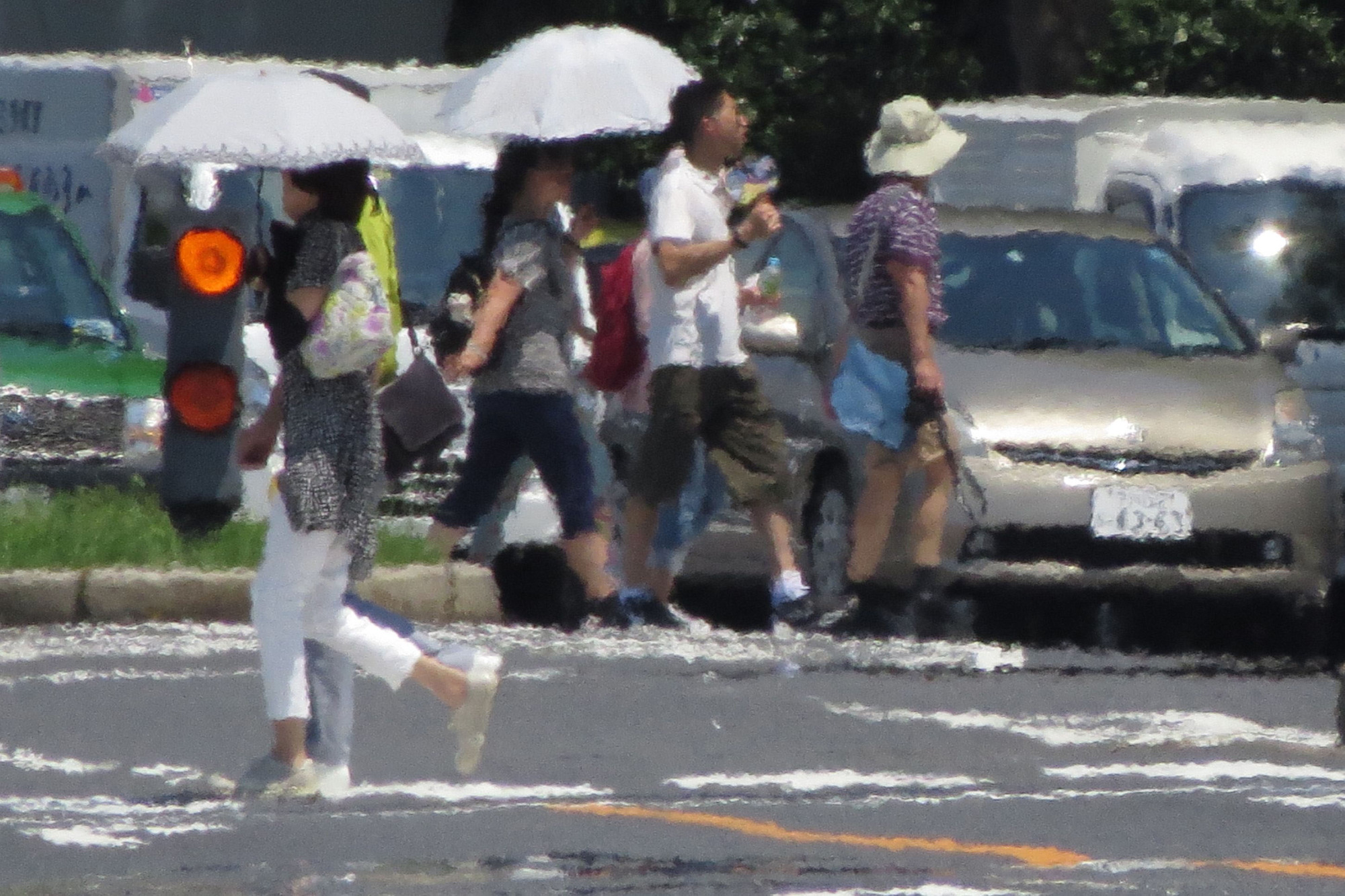
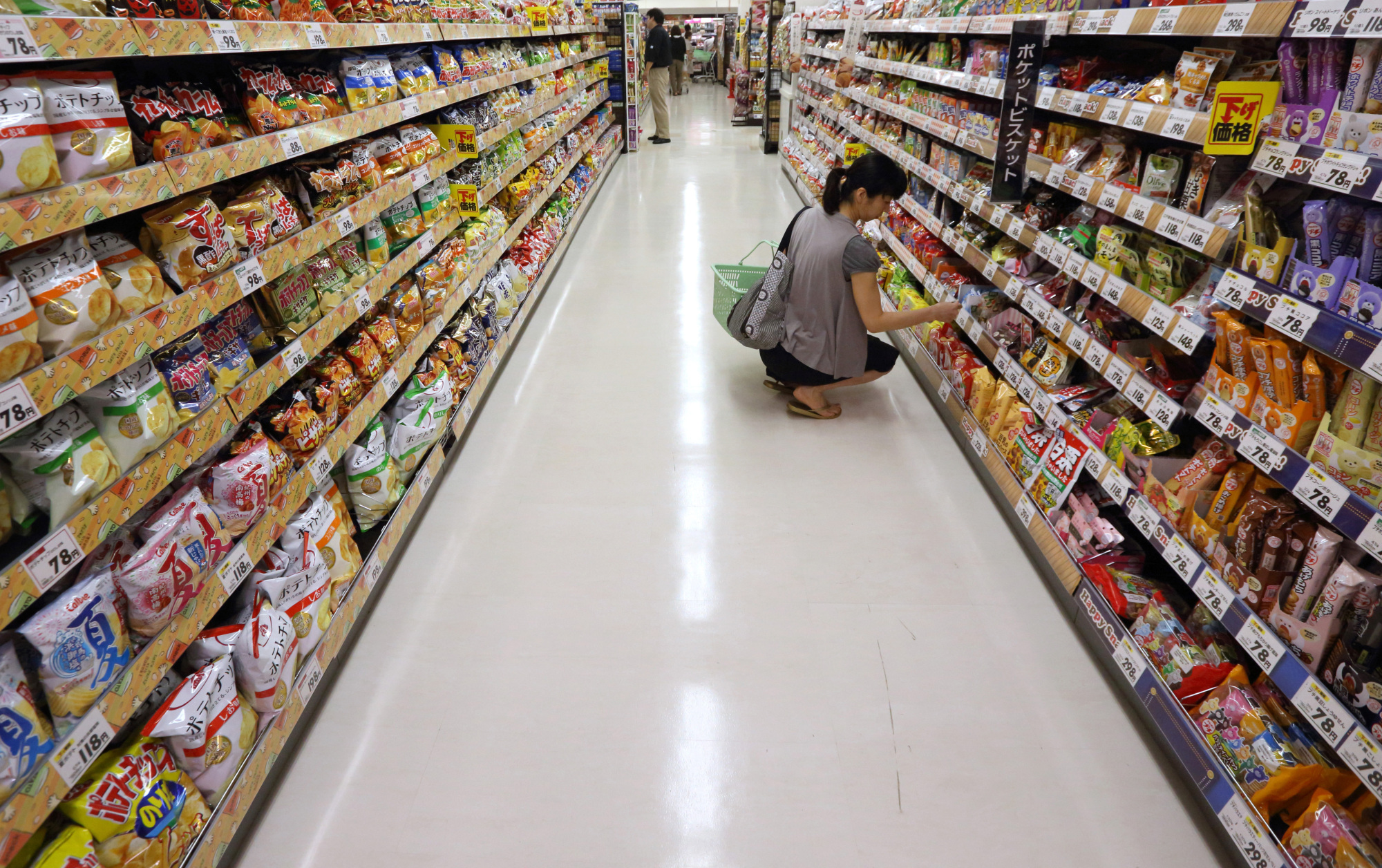
Big in Japan (Kyodo photo)

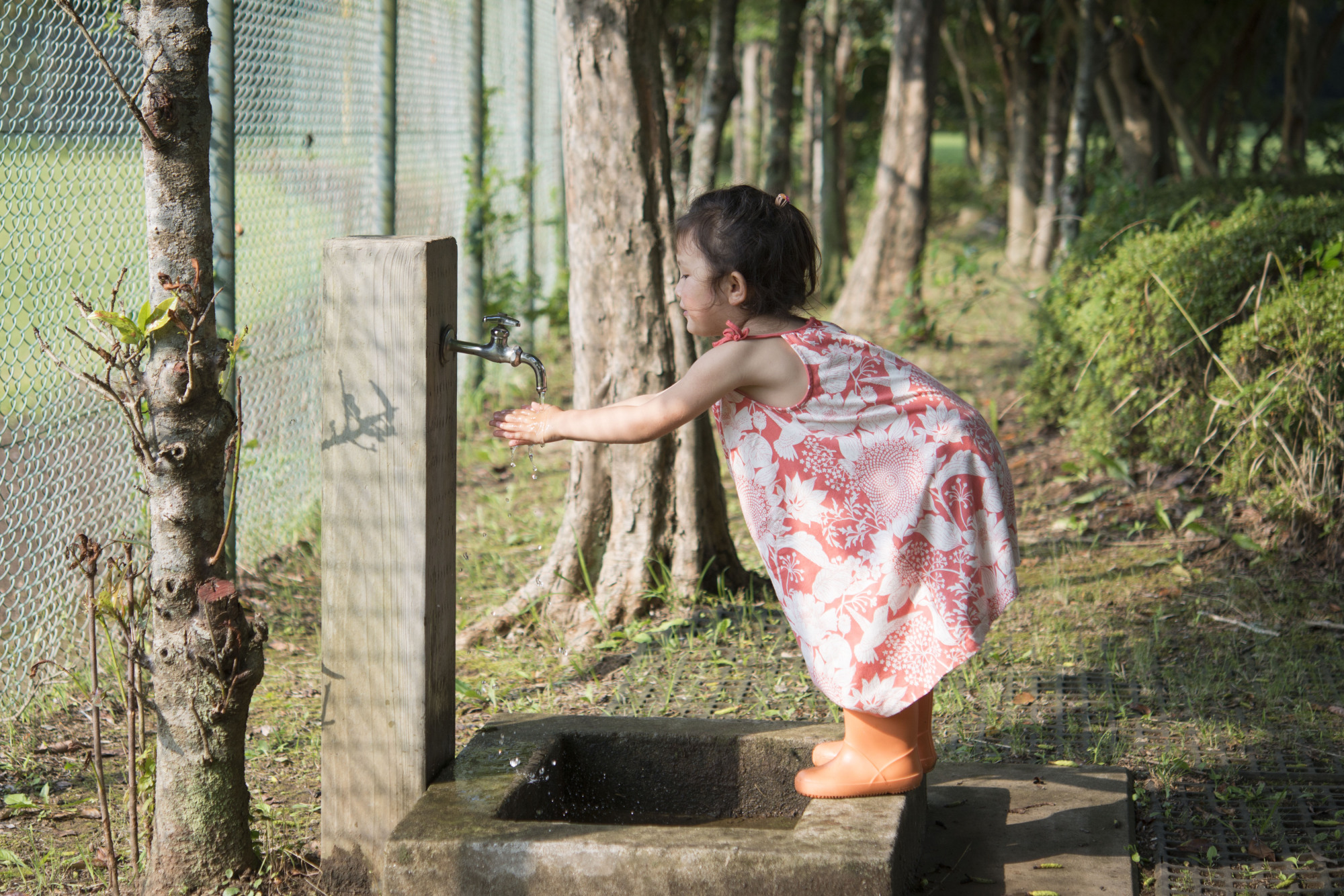
We’re not sure why this is coming out right now, but Sankei Express is reporting the results of a survey conducted in November 2010 by the Health, Welfare and Labor Ministry on the correlation between income level and lifestyle. The ministry divided respondents into three different groups according to household income: ¥2 million a year or less, between ¥2 million and ¥6 million, and over ¥6 million. The survey found that smoking was more prevalent the lower the annual income among both men and women. About 27 percent of men and 7 percent of women in the highest income group smoked, while 37 percent of men and 12 percent of women in the lowest income group did. Nationally, 32 percent of men and 8 percent of women smoke in all income categories.

In terms of being overweight, which the survey defined as having a BMI (body mass index) of over 25, there was found to be no significant difference between men among the three income groups, but among women the difference was stark. About 13 percent of the women in the highest income group were overweight, and the portion rose to 25.6 percent for women in the lowest group. Also, people of both genders in the lowest income group eat less vegetables regularly than people in higher income brackets, and low-income men tend to not eat breakfast.

If this doesn’t seem surprising it may be due to the fact that in the United States and the United Kingdom it’s been known for years that lower income people have poorer diets, higher rates of obesity, and smoke more than richer people do. Without going into why that is, it seems Japan is catching up with this trend, thus further undermining one of the country’s most beloved self-images of being a classless — or, more precisely, a uniformly middle class — society. If the trend continues along with the recession, it could mean even more of a crisis for social insurance schemes since it can be expected that more people will require health services in the future.

Tags: , ,

Comments are closed.

RSS

Recent posts

Our Users Say

  • RJ: JR sagi-style profit…“place on the system more of a burden” LOL
  • Colin Doyle: Why is JR too proud or too obtuse to ask the other train companies how they were able to integrate their...
  • Simon: I had a similar experience when I caved in to societal and peer pressure ;-) and got an iPhone 4S last year....
  • goyaty: E-Mobileは、酷いサービスとサポート する。そのため、私も契約を更新しな でWiMAXに移った。WiMAXは、1年...
  • pat: Great article! There must be a way to make the bills easier to understand, and there must be a reason why this...
Read more:
There's a lot of work to be done in Tohoku and byorkudan want a piece of the action. (Satoko Kawasaki photo/The Japan Times)
Post-disaster business opportunities attracting wrong kind of enterprises

Yakuza groups are allegedly giving out money to evacuees in order to secure favors for future business.

Close