Home page
Subscribe
Digital
Print
23℃
TOKYO
April 25, 2024
Subscribe
Digital
Print
April 25, 2024
LDP funds scandal
China
Yen
Latest News
Deep Dive Podcast
Subscribe
Digital
Print
LDP funds scandal
China
Yen
Latest News
Deep Dive Podcast
Today's print edition
Home Delivery
JAPAN
Politics
Society
Crime & Legal
Science & Health
Explainer
History
WORLD
Politics
Crime & Legal
Science & Health
Society
ASIA PACIFIC
Politics
Crime & Legal
Science & Health
Society
BUSINESS
Companies
Economy
Markets
Tech
SPORTS
Sumo
Soccer
Baseball
Basketball
Tennis
Olympics
More sports
OPINION
Editorials
Commentary
Environment
CLIMATE CHANGE
Energy
SUSTAINABILITY
WILDLIFE
EARTH SCIENCE
LIFE
Travel
Digital
Food & Drink
Style & Design
Language
Lifestyle
CULTURE
Film
Books
Music
Art
TV & Streaming
Stage
Entertainment news
COMMUNITY
Voices
Issues
How-tos
Our Lives
My Account
Logout
Subscribe for more access
BUSINESS
/
Markets
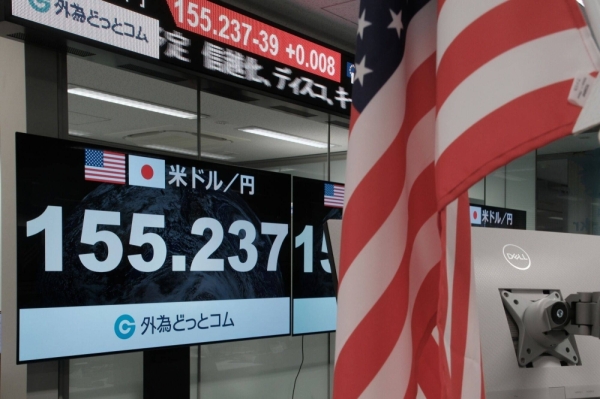
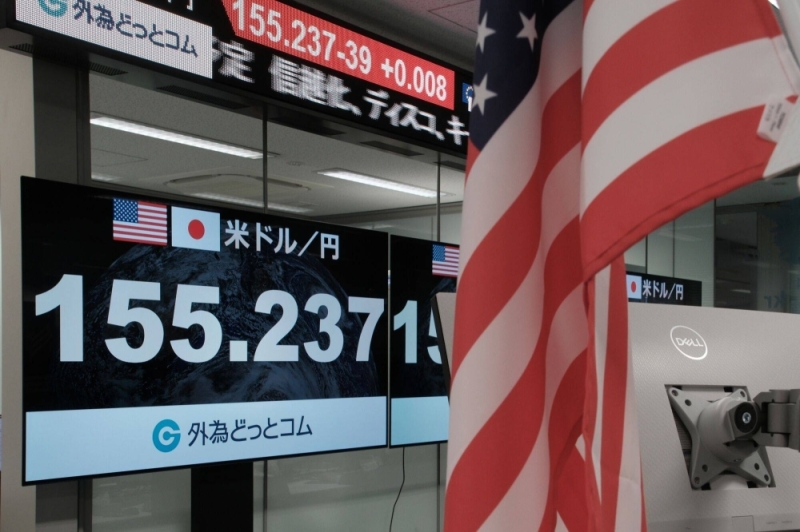
Yen weakens past key ¥155 level, adding to intervention risk
By
Masaki Kondo
,
Carter Johnson
and
George Lei
For the first time in over 30 years, the yen weakened to below ¥155 per dollar, sending traders on the alert for possible intervention.
OPINION
Michael Krake
and
Wempi Saputra
Negotiating a bigger, better World Bank
Recent changes at the global lender are important steps toward making the World Bank’s financial model fit for “ending poverty on a livable planet.”
Jessica Karl
Taylor Swift is proof that how we critique music is broken
In the age of half-baked hot takes on online forums, anyone with a smartphone can word-vomit their thoughts into the ether.
Tim Culpan
Japan is poised to fill an EV gap left by China
A new Honda facility in Canada shows that Asia’s auto industry is ready to meet North American needs.